

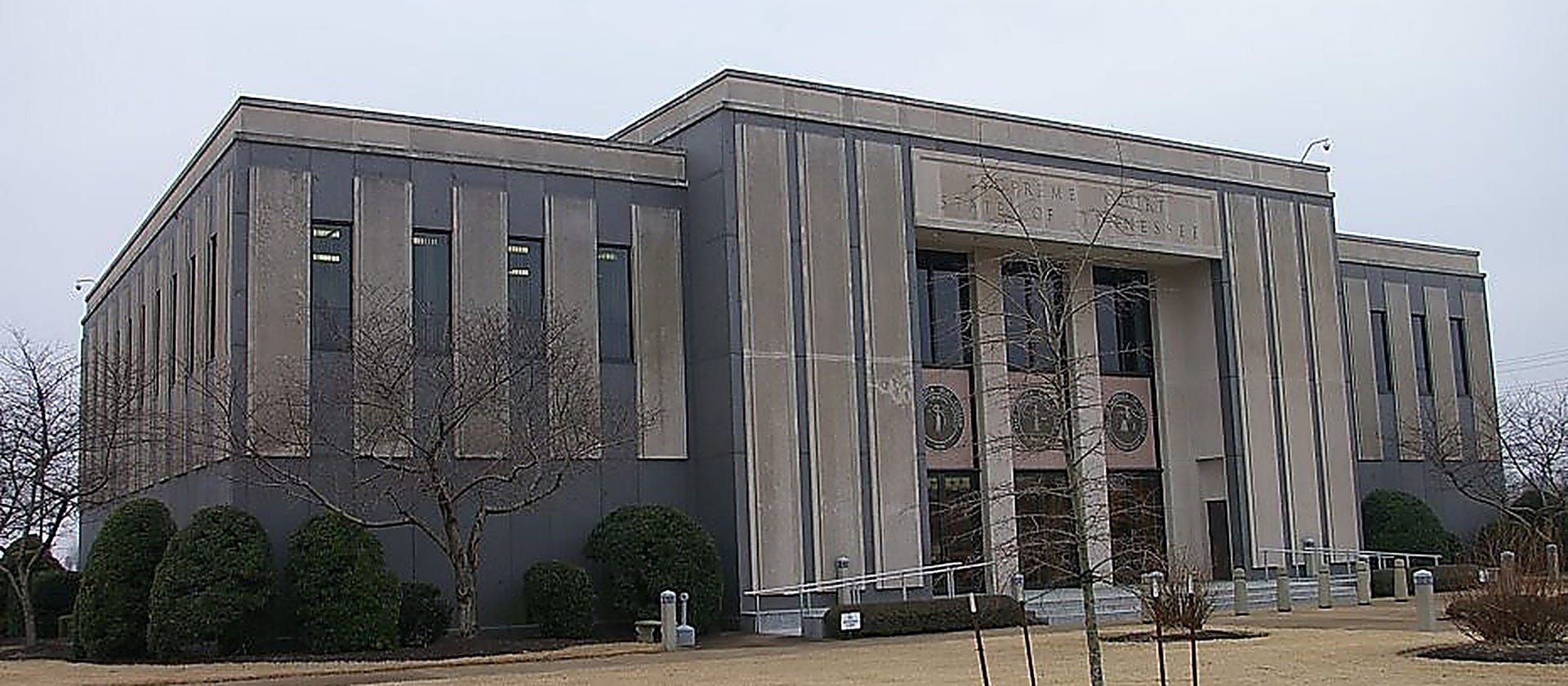
A Tennessee appellate court says a judge was wrong to hide from a jury a transgender slaying victim’s biological sex.
The Tennessee Court of Criminal Appeals ruled this week the biological sex of a transgender woman fatally shot by Samuel Ward Jr. in June 2022 was not only relevant to Ward’s claim of self defense but supported it.
It is the first such ruling of its kind in Tennessee’s legal history.
“(Ward) raises an issue of first impression in Tennessee: whether the victim’s biological sex is relevant to a claim of self-defense,” the court’s opinion stated.
Ward, who knew victim Paris Nicole Lee was a transgender woman, shot Lee six times after an argument. He claimed she pointed a gun at him, so he opened fire to defend himself.
Memphis attorney John McNeil pushed Shelby County Criminal Court Judge Carlyn L. Addison to reveal Lee’s biological sex to jurors.

He argued it was relevant on two fronts: Ward’s fear was more reasonable if Lee, like him, was biologically male, and jurors might be prejudiced against Ward for killing a woman, as opposed to a man.
Prosecutors objected.
Ward, they said, claimed he opened fire because Lee brandished a gun. Lee’s size and strength, they argued, was irrelevant because Ward never alleged Lee physically threatened or assaulted him.
They also argued that jurors might be biased against Lee – and, therefore, the state – if they knew she was a transgender woman.
Judge Addison sided with prosecutors. She ordered any reference to Lee’s biological sex scrubbed from the court record, including the autopsy report, autopsy photographs and crime scene photographs and footage.
Jurors convicted Ward of voluntary manslaughter. Addison sentenced him to six years in prison. McNeil appealed.
The appellate court in its ruling this week overturned that conviction and ordered a new trial.

The court opined that Addison deceived jurors and robbed Ward of the right to testify in his own defense. The appellate panel dismissed concerns of juror prejudice against Lee’s gender identity, saying the harm to Ward of hiding that fact was greater.
“The trial court determined that because the victim was armed, evidence of her biological sex was irrelevant and potentially prejudicial,” Appellate Judge Timothy L. Easter wrote on behalf of the three-judge panel
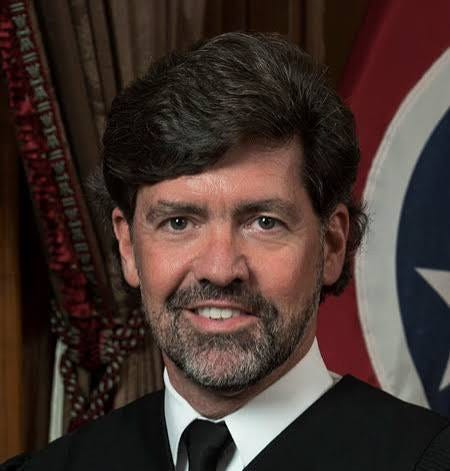
.“We disagree,” he wrote. “While a gun might equalize differences in physical strength and size, there are other inherent physiological differences between the sexes that science continues to reveal and that we choose not to ignore.
“We decline to hold that the biological sex of the victim is not relevant to a claim of self-defense,” the opinion stated.
“The trial court was concerned that knowledge of the victim’s biological sex might lead to bias and cause the jury to confuse the issues,” the opinion continued. “The danger of bias, however, ran both ways in this case.
“(Ward) expressed his concern that the jury might be less likely to accept his claim of self-defense based on their understanding of the victim as a woman rather than a biological male,” the opinion stated.
Biological sex “may not be relevant and may lack probative value in some situations,” the court opined, but, in Ward’s case, “evidence of the biological sex of the victim was relevant and full of probative value, and its exclusion left the jury with the impression that a male defendant killed a female victim.
“The exclusion of the victim’s biological sex – including a photo depicting the victim as a female, redacted crime scene photos, and redacted autopsy photos and report - misled the jury, threatened the fairness of the judicial process, and was prejudicial to (Ward),” the court held.
The Tennessee Attorney General’s Office could seek to appeal the ruling to the Tennessee Supreme Court.
I suspect the real reason the defense lawyers wanted the jury to know about the victim's biological sex was because they counted on a transphobic jury to find her less sympathetic as a victim. And the prosecutors kept that evidence out for the same reason.
This is excellent reporting on a story that is terribly under-reported.